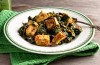
Tempeh with Rice and Spinach
Lemon zest and juice makes this a brightly flavored one-pot dish. It's also great for picnics and patio parties because you can serve it at room temperature.
Look for nutritional yeast at health food stores and some grocery stores. It’s adds a cheesy and nutty flavor to many dishes. It’s optional in this recipe. To make your own bread crumbs, tear firm, fresh bread into pieces and whirl in a food processor or blender until crumbs form.
To toast the panko bread crumbs, use a toaster oven. Or place them on a small pan and toast in the oven while it's preheating. Watch carefully, because they burn easily.
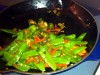
Stir‐fries are quick, easy, and a fantastic way to use those single carrots, celery stalks, and handful of other vegetables sitting in your fridge. One key to a fast stir‐fry is the size in which you cut your vegetables: The smaller you cut them, the quicker they will cook.
When you boil quinoa for a couple of minutes, then roast it in oil, it develops a crispness that's almost like nuts. Here the crisp‐roasted quinoa almost coats the potatoes, and you finish the whole thing off with melted cheese.
If you can find purple potatoes, use them here. With a simple green salad—and in summer, sliced ripe tomatoes—this is a perfect lunch or light supper. With scrambled eggs, warm tortillas, and salsa, it's weekend breakfast. Add any good bean dish and you have a satisfying dinner. Other grains you can use: amaranth, fine bulgur (#1).
Modern Pasta Fagoili recipes use chicken or beef broth and a meat like pancetta or spicy sausage. I went the veggie route, using vegetable broth and 5 different types of vegetables: carrots, celery, onions, tomatoes and swiss chard. The beans make the soup hearty and filling regardless, so just use whatever you have on hand. My secret ingredient is Parmesan cheese rind, it gives the broth amazing flavor. Just add the rind of Parmesan cheese when cooking, then discard when serving. Unless of course you want to eat it, I always do, it tastes like a chewy cheese crouton.
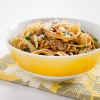
We wanted to create a whole wheat pasta sauce recipe that would provide just the right complement to the hearty flavor and firm texture of whole-wheat spaghetti. We found that a boldly flavored sauce made with sun-dried tomatoes and sautéed zucchini provides a nice counterpoint to the whole-wheat pasta’s hearty texture. Starch from some added pasta liquid thickens the sauce and helps it cling to the spaghetti. A sprinkling of freshly grated Pecorino Romano, which our tasters preferred to the more subtle Parmesan, adds a salty tang to a simply sauced whole-wheat spaghetti recipe.
I’ve been making this pasta for a very long time, probably since the 1980s, since it’s derived from a Marcella Hazan recipe. It’s dead simple — one of the things that I love about it — and you can pre-cook the cauliflower a day ahead or so if you’d like. I usually do the whole thing at once: cook the cauliflower in water, scoop it out and then, later, cook the pasta in the same water. It’s already boiling, and you want the taste of the cauliflower anyway, so why not?
Stir-fry guru Grace Young suggests brown rice for vegetarian stir-fries, and she’s right: the rich nutty flavor and chewy texture make for a very satisfying meal. The trick to successful fried rice, whether you use brown or white rice, is to cook the rice a day ahead and refrigerate. Cold rice will not clump together.
Travel anywhere in the Mediterranean region, and you will find stuffed vegetables. In Provence, they tend to be filled with meat (a way to stretch leftover stews), but in the Middle East and Greece rice and grain fillings prevail. Regional cooks make abundant use of fresh herbs like parsley, dill and mint, and sweet spices like cinnamon and allspice.